What the report contains
The document you keep, show the fire service and hand to the next owner.
- Written report to keep on file
- Clear action plan, highest risk first
- Price agreed before booking
Until October 2023, many smaller premises only had to write down the significant findings of a fire risk assessment, and some did not have to write anything down at all. Section 156 of the Building Safety Act 2022 changed that in England. Now every responsible person has to record the assessment in full, and record the name of the person or company who carried it out.
So a London report from our fire risk assessors starts with the building: the address, what it is used for, how many floors, roughly how it is built, and who the responsible person is, with a UK address. It then records who is at risk, what could start a fire, how people would be warned and get out, what would hold a fire back, and how fire safety is run day to day.
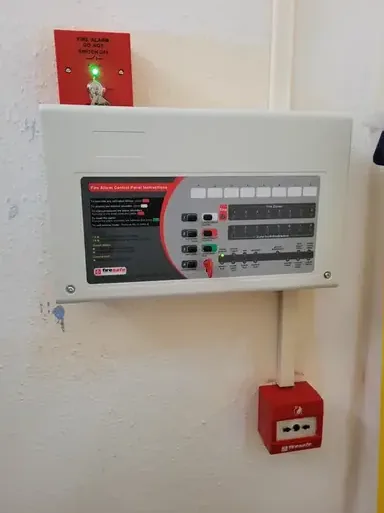
The action plan
This is the page most owners keep open. Each problem has its own line with the location, what is wrong, what would put it right and how soon. A riser cupboard full of old paint tins, a final exit with a deadlock, emergency lights with no test record, a flat door with the closer taken off. Write against each line what you did and when.
Who should see it
In a building with two or more flats, residents have to be told about the risks the assessment found and the fire safety measures in place, and given the responsible person's name and UK address. If you sell or hand over management, the fire safety information goes to the person taking over.
The report is not a repair, a fire door inspection or a compartmentation survey. Those are separate jobs.
Tell us the postcode, what the building is used for and roughly how big it is. We will come back with a price.